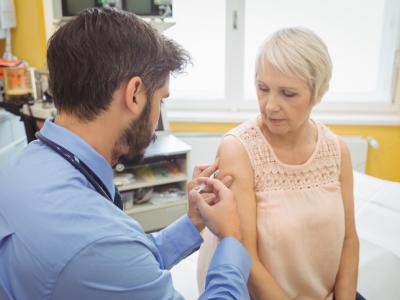
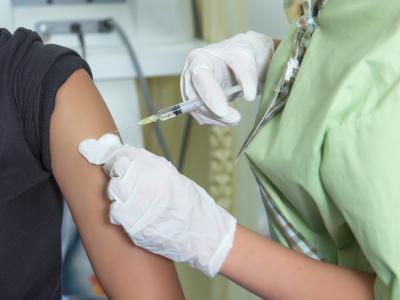
Panel gives a preference to Shingrix and recommends MMR for mumps outbreaks.
Pregnant women who received the pandemic H1N1 influenza vaccine in 2009 or 2010 were no more likely to have adverse birth outcomes than women who received the seasonal flu shot at the time, according to a study published yesterday in Vaccine.
"It would be a mistake to divert important resources during this time toward tetanus vaccination."
The US Centers for Disease Control and Prevention (CDC) today said a Salmonella outbreak linked to pet turtles has sickened 37 people in 13 states, about one third of them children younger than 5 years.
Though coverage still isn't optimal, for the first time rates topped 60%, with the boys' level gaining ground on the girls'.
An investigation into a 73-year-old Arizona woman's death related to a Francisella tularensis infection (tularemia) in June 2016 revealed that she probably contracted the bacterium, classified by federal health officials as a tier 1 select agent, from her pet dog.
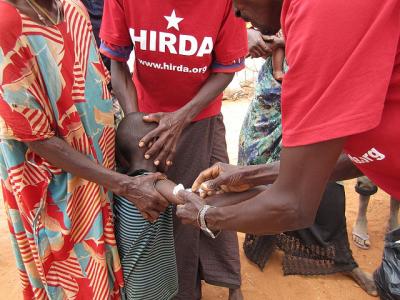
The WHO and its partners need the funding boost to stop measles transmission with a campaign in November to immunize 4.2 million children.
Data on infants born to women suspected of having a Zika virus infection in Texas show higher-than-average rates of birth defects and suboptimal levels of testing, according to a report today in Morbidity and Mortality Weekly Report (MMWR).
The study shows that even a 5% drop in vaccine coverage could trigger a significant outbreak.
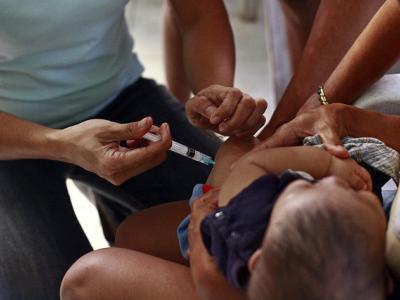
Babies living in countries affected by conflict made up more than half of the total of unvaccinated group.